
What is Folliculitis? What Causes Folliculitis? - Explained by Dr. Yeung Ho Hong(楊浩康)
What is Folliculitis? What Causes It? - Explained by Dr. Yeung Ho Hong
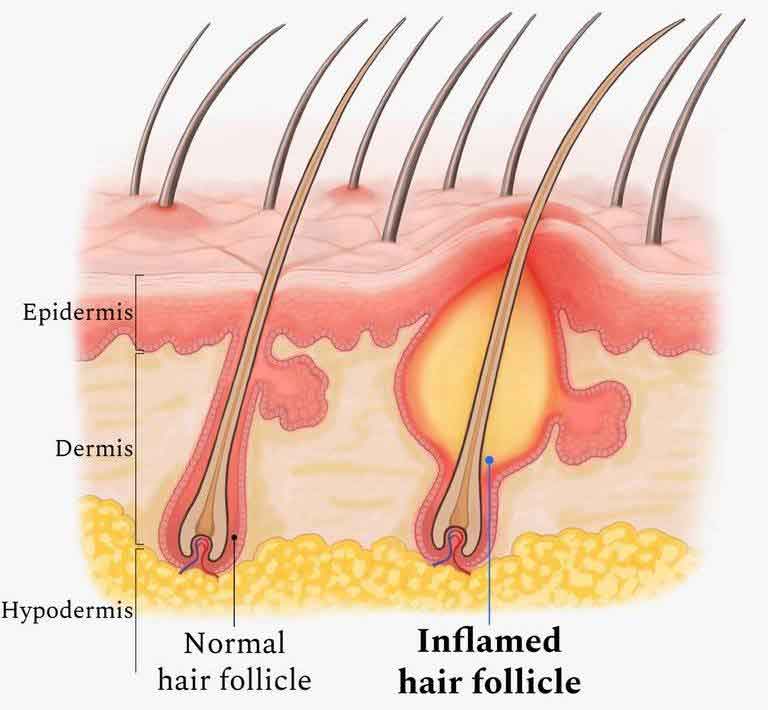
Folliculitis is a common inflammatory condition of the hair follicles, primarily caused by bacterial or fungal infections, though it can also be triggered by viral infections, ingrown hairs, certain drug reactions, or external factors like laser treatments. The main pathological process involves localized inflammation of the hair follicle and surrounding skin due to microbial invasion or physical irritation, leading to redness, swelling, pain, and pus formation. Folliculitis can occur anywhere on the body but is most common on the chest, back, shoulders, neck, inner limbs, and scalp, where sebaceous glands are abundant, making scalp folliculitis particularly prevalent.
In hot and humid summers, excessive sweating creates a warm, moist environment on the skin, ideal for bacterial and fungal growth, making folliculitis especially common during this season. Beyond weather factors, wearing tight or non-breathable clothing and using cosmetics or skincare products unsuitable for one’s skin type can clog hair follicles, further promoting infection. Poor lifestyle habits, inadequate personal hygiene, and delayed treatment of skin injuries are also significant contributors to folliculitis. Additionally, conditions like compromised immunity or systemic diseases such as diabetes increase the risk of developing folliculitis.
Clinically, folliculitis typically presents as small red spots or pustules at the affected site, often accompanied by stinging or burning sensations. In some cases, it may affect multiple adjacent follicles, forming a larger inflamed area and occasionally leading to temporary hair loss. If folliculitis recurs or becomes severe, it can result in abscesses, scarring, or hyperpigmentation, impacting a patient’s appearance and self-confidence. Less commonly, viral folliculitis caused by herpes viruses or varicella-zoster virus may occur, sometimes leading to more complex clinical scenarios, such as herpetic folliculitis.
Treatment for folliculitis begins with identifying the underlying cause. For bacterial folliculitis, topical antibiotic creams or oral antibiotics are effective in controlling infection. Fungal folliculitis is typically treated with antifungal medications, such as topical creams or oral drugs like '酮康唑' (Ketoconazole) or '伊曲康唑' (Itraconazole). If viral folliculitis is suspected, appropriate antiviral therapy is selected based on the condition. Beyond pharmacotherapy, maintaining good personal hygiene and proper skincare is crucial. Regularly changing and washing clothes, avoiding harsh skincare products, and promptly cleaning sweat-soaked skin all help prevent follicular infections.
Additionally, for mild folliculitis, using gentle cleansing skincare products and keeping the skin dry are highly effective preventive measures. Patients with recurrent or severe symptoms should seek treatment under the guidance of a dermatologist, and further tests may be needed to rule out underlying systemic conditions. Lifestyle adjustments, such as ensuring adequate sleep, maintaining a balanced diet, and engaging in moderate exercise, can enhance immunity and reduce the frequency of folliculitis outbreaks.
In summary, folliculitis is an inflammatory condition of the hair follicles driven by multiple factors, closely linked to environmental conditions, lifestyle habits, and individual predisposition. With proper treatment and preventive measures, most cases of folliculitis can be effectively managed. For severe or recurrent cases, early medical consultation and tailored treatment plans based on the underlying cause are key to improving the condition and preventing complications.
References:
1. Bolognia, J., Schaffer, J. V., & Cerroni, L. (2018). Dermatology (4th ed.). Elsevier.
2. Del Rosso, J. Q. (2003). "Folliculitis: Diagnosis and Management." Journal of Clinical and Aesthetic Dermatology, 1(11), 34-38.
3. Wollina, U. (2008). "Folliculitis: A review and update." Journal of Cutaneous Medicine and Surgery, 12(2), 100-110.