
What are the Treatments of Seborrhoeic Eczema? - Explained by Dr. Yeung Ho Hong(楊浩康)
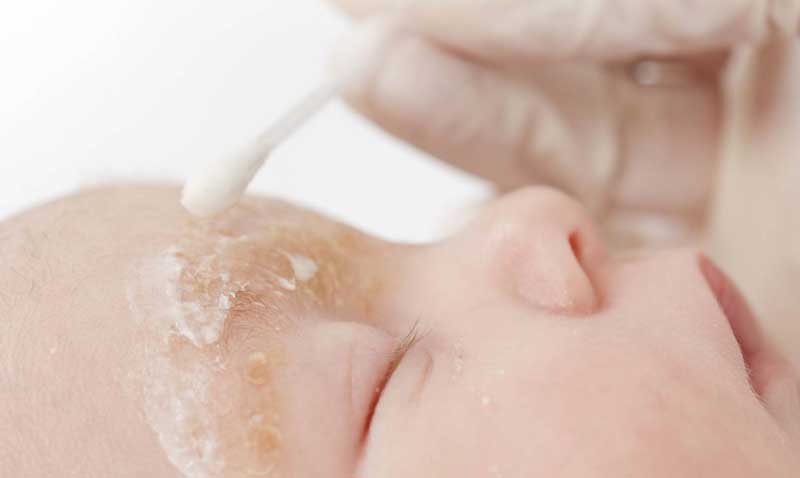
Seborrhoeic eczema, also known as seborrhoeic dermatitis, is a common, chronic, and recurrent skin condition characterized by greasy, erythematous patches with scaling, typically affecting the face, scalp, behind the ears, and the chest or back. Management of seborrhoeic eczema involves both pharmacological treatments and daily skincare. Pharmacologically, keratolytic agents such as '水楊酸' (Salicylic acid) and '乳酸尿素' (Urea lactic acid) can soften and remove unsightly scales, improving the skin’s appearance. Additionally, topical antifungals, such as '酮康唑' (Ketoconazole) shampoo or cream, can inhibit the growth of Malassezia yeast, which is closely associated with seborrhoeic eczema, thereby reducing inflammation and sebum production. Other topical agents, like '吡咯錫鋅' (Pyrithione zinc) and '硫化硒' (Selenium sulfide), also contribute to controlling fungal activity.
During acute flare-ups, doctors may prescribe short-term topical corticosteroids to rapidly reduce redness and inflammation, alleviating symptoms. However, due to potential side effects like skin thinning from prolonged steroid use, topical calcineurin inhibitors, such as '匹美克莫司' (Pimecrolimus) cream and '他克莫司' (Tacrolimus) ointment, are often used as alternatives for long-term control. These agents cause less irritation and fewer adverse effects, making them suitable for the face and other sensitive areas.
For stubborn or widespread cases of seborrhoeic eczema, oral medications are sometimes included in the treatment plan. For instance, oral '伊曲康唑' (Itraconazole) effectively suppresses Malassezia proliferation, while '多西環素' (Doxycycline) can alleviate skin inflammation through its antibacterial and anti-inflammatory properties. Systemic treatments are typically reserved for patients with inadequate response to topical therapies or recurrent exacerbations, but they require thorough evaluation to ensure the patient’s overall health is suitable for oral medication.
Beyond pharmacological interventions, daily skincare plays a vital role in managing seborrhoeic eczema. Patients should avoid alcohol-based or highly irritating skincare products, opting instead for gentle, fragrance-free cleansers to prevent further damage to the skin barrier. Moisturizers can help restore the skin’s hydration balance, reducing flaking and irritation caused by dryness. For scalp issues, regular use of shampoos containing antifungal agents can effectively lower the risk of Malassezia recurrence. Adopting healthy lifestyle habits, such as stress reduction and a balanced diet (avoiding excessive greasy or sugary foods), also supports the management of sebum production and skin inflammation.
In summary, the treatment of seborrhoeic eczema is multifaceted, requiring tailored pharmacological therapies based on individual needs alongside diligent daily care and hygiene. For patients with mild symptoms, regular skincare and topical treatments are often sufficient to control the condition. For those with severe or recurrent symptoms, combining oral medications and other therapies may be necessary to achieve optimal results. Given the recurrent nature of the condition, regular follow-ups and adjustments to the treatment plan are crucial. Patients are advised to work with a professional physician to develop a personalized treatment strategy, effectively managing the condition, improving skin health, and enhancing quality of life.
References:
1. Bolognia, J., Schaffer, J. V., & Cerroni, L. (2018). Dermatology (4th ed.). Elsevier.
2. Gupta, A. K., & Versteeg, S. (2017). “Seborrheic Dermatitis: An Update on Epidemiology, Pathogenesis and Treatment.” Journal of the European Academy of Dermatology and Venereology, 31(9), 1453-1461.
3. Dessinioti, C., Katsambas, A. (2013). “Seborrheic Dermatitis: Etiology, Risk Factors, and Treatment Options.” Dermatologic Clinics, 31(3), 405-418.